How our pots are made...

Casting

Casting

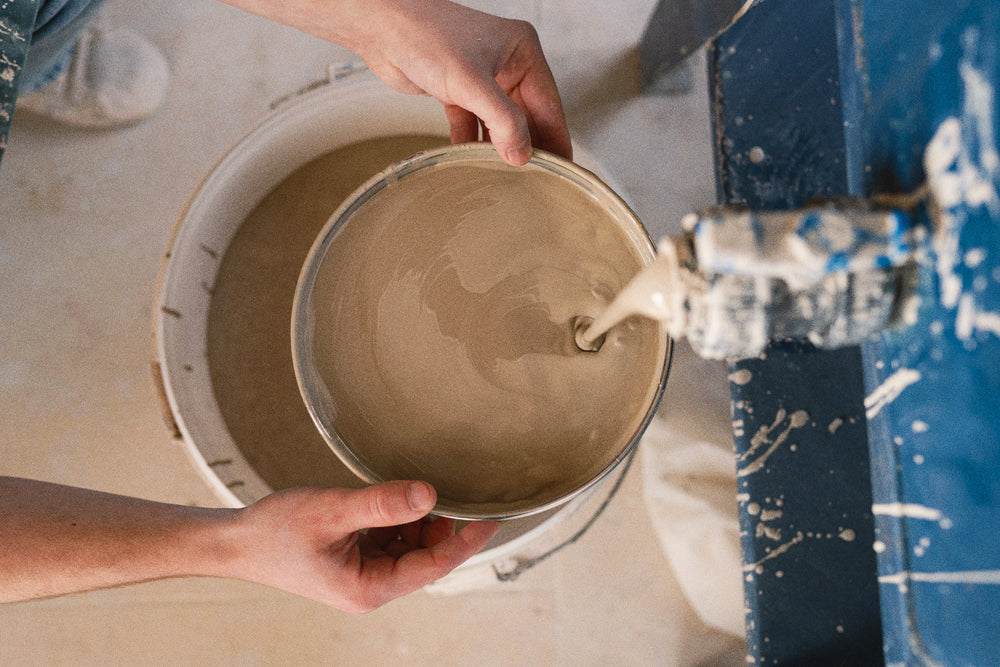
At Young Potters, we use a technique called slip casting.

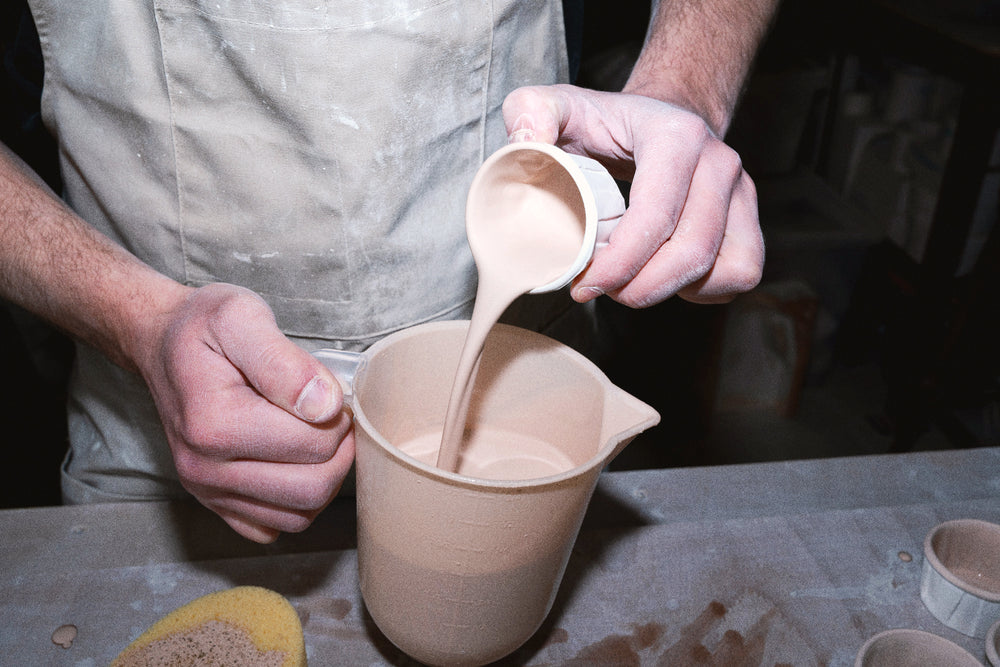
We start by pouring liquid clay (known as slip) into plaster moulds. As the plaster absorbs moisture from the clay, a solid layer gradually builds up against the inside of the mould, forming the walls of your pot.

Once the walls have reached just the right thickness, we pour away the leftover liquid clay and carefully remove it from the mould.

It's this process that allows us to capture all those lovely intricate details, especially the delicate, paper-like pleats that make our pots so unique. And it means we can get that distinctive look just right, every time!
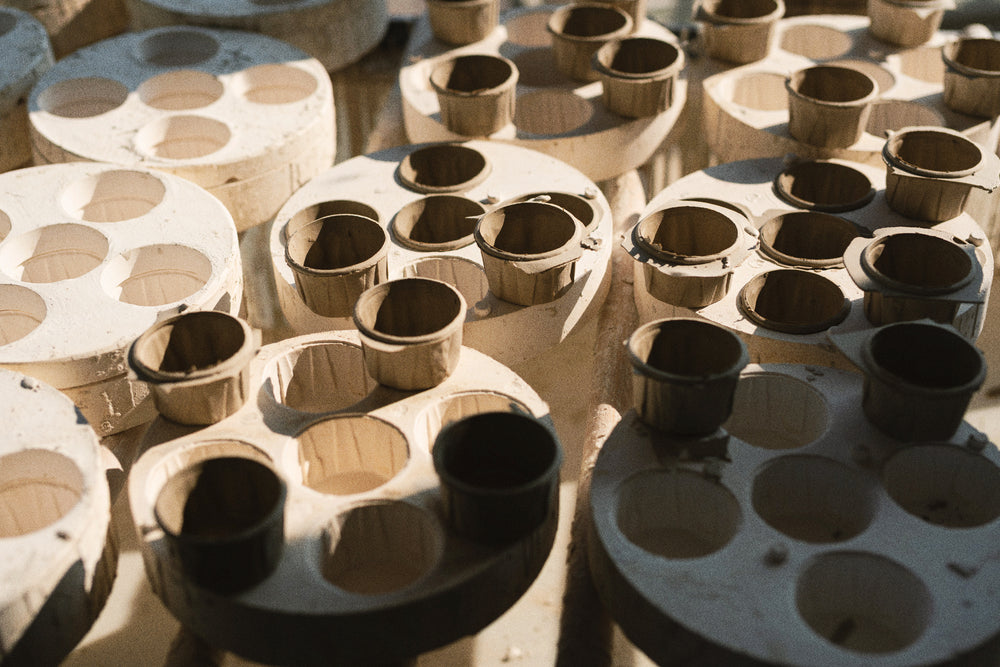
Fettling

Fettling

Once fully dry, your pot might look a little rough around the edges – that's all part of the process!

We carefully remove any thin bits of excess clay before gently cleaning each pot with wet sponges and fettling tools to achieve a smooth finish.

It's a little bit fiddly, but honestly? It's one of the most satisfying parts of the whole process. Videos of us cleaning our pots are our most-watched content. And we can see why; there's something very rewarding about watching each pot take its final shape!

First Firing

First Firing

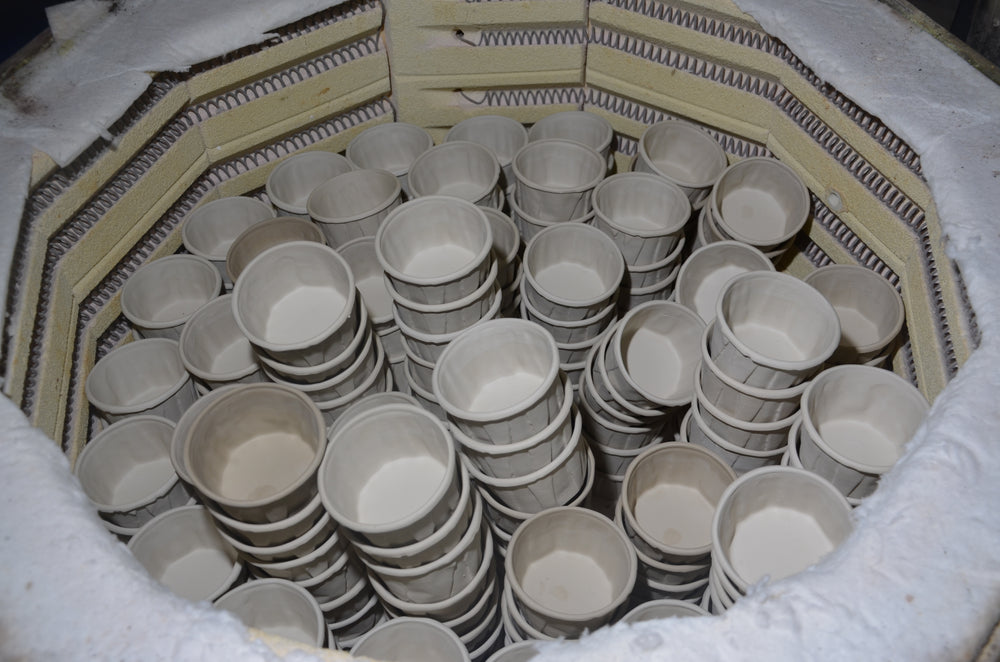
This is a big moment in the making process! The first firing, known as the bisque (or biscuit) firing, is where clay officially becomes ceramic.

Until this point, our clay is fully recyclable. If something goes wrong, we can simply crush it up, rehydrate it and turn it back into liquid slip, ready to start all over again.

But once our pots enter the kiln and reach around 1000°C, everything changes. The clay undergoes an irreversible transformation and it can no longer be turned back into slip or dissolved in water. 

From this point on, there's no going back!

That's why we give every single pot a thorough check before its first firing. We want to catch any little imperfections early, helping us minimise waste and avoid any mishaps in the glaze firing later on!

Glazing

Glazing

After the pots have been fired, its glazing time! 

Glaze is a solution of minerals suspended in water. It works as the bisqueware is porous (absorbs water) and as it comes in contact with the glaze, the water is absorbed but all those minerals aren't and they get stuck onto the surface of the pot - creating a powdery layer. Ours is slightly pink, but when fired turns into a velvety off-white.

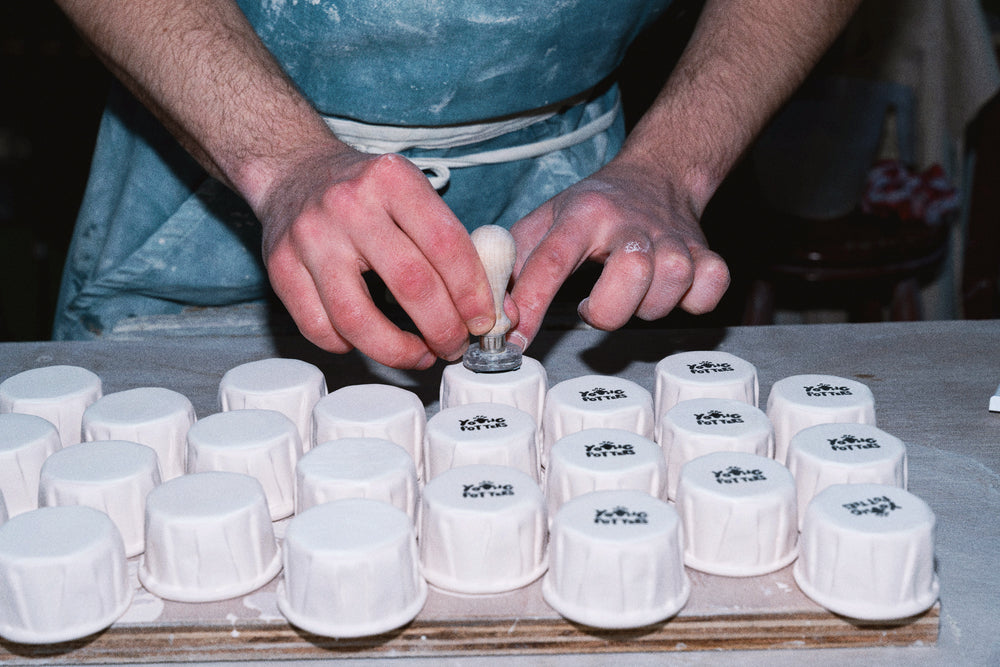
The bases of the pots are cleaned thoroughly - anything touching glaze in the kiln will fuse to it. They are stamped with our logo and then they are placed in the kiln. Sometimes loading our kilns take an entire afternoon as can fit over 1,000 of our Small Sauce Pots in one firing. They are then fired to over 1220ºC. 

Final Touches

Final Touches

Finally, after all that. Your pot is ready. 

After we open the last glaze firing, we check that the pots meet our high standards and they are packaged up and sent straight to you. 

The whole process takes between 1-2 weeks (season and weather dependent!). And there you have it! That's how you go from liquid clay to a Ceramic Sauce Pot. 

Explore the collection

A little more about us...

Curious to know who makes your pots?

Learn how we started Young Potters from a garden shed and how we ended up at Buckingham Palace...

Our Story